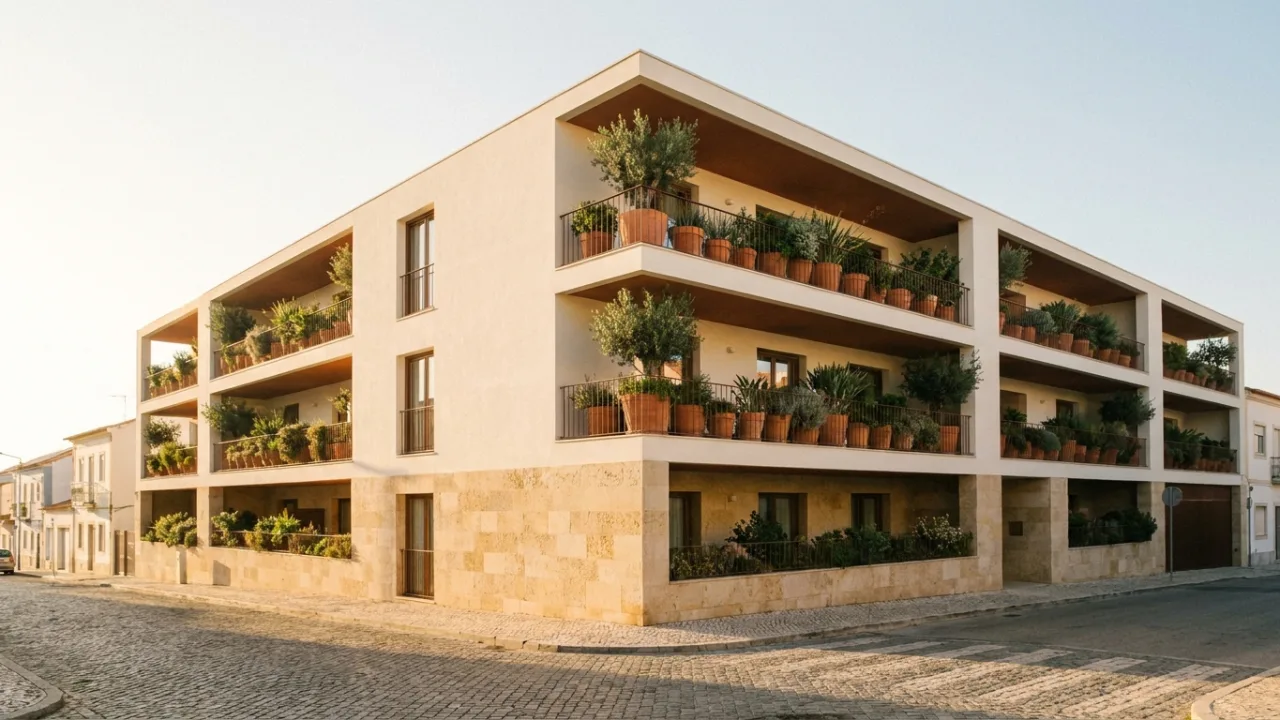
IRR and ROI in real estate development: how to assess a project’s profitability

IRR and ROI: the metrics that decide a project
In real estate development, the “price per square metre” is not enough to assess an operation. The Internal Rate of Return (IRR) and the Return on Investment (ROI) are the two reference metrics: ROI measures the total gain on the capital invested; the IRR incorporates the time factor, indicating the annualised return over the project’s cycle — a distinction that allows the viability of the investment to be assessed rigorously.
A simple example: two projects with the same 30% ROI can have very different real returns if one completes in two years and the other in four. Permitting time, construction pace and sales pace enter the calculation directly — which is why the management of the planning process has a direct effect on the operation’s financial result.
“A rigorous architectural design is not a cost — it is the variable with most influence on the IRR: less approval time, fewer errors on site and a product designed for the right market.”
Tiago R. Correia
Architect
A serious return calculation starts before the land is bought: the maximum building capacity allowed by the PDM, realistic construction costs per typology, municipal fees and land cessions, likely approval timelines and conservative sales scenarios. It is this groundwork — the feasibility study — that allows the asset price to be negotiated with data instead of optimism.
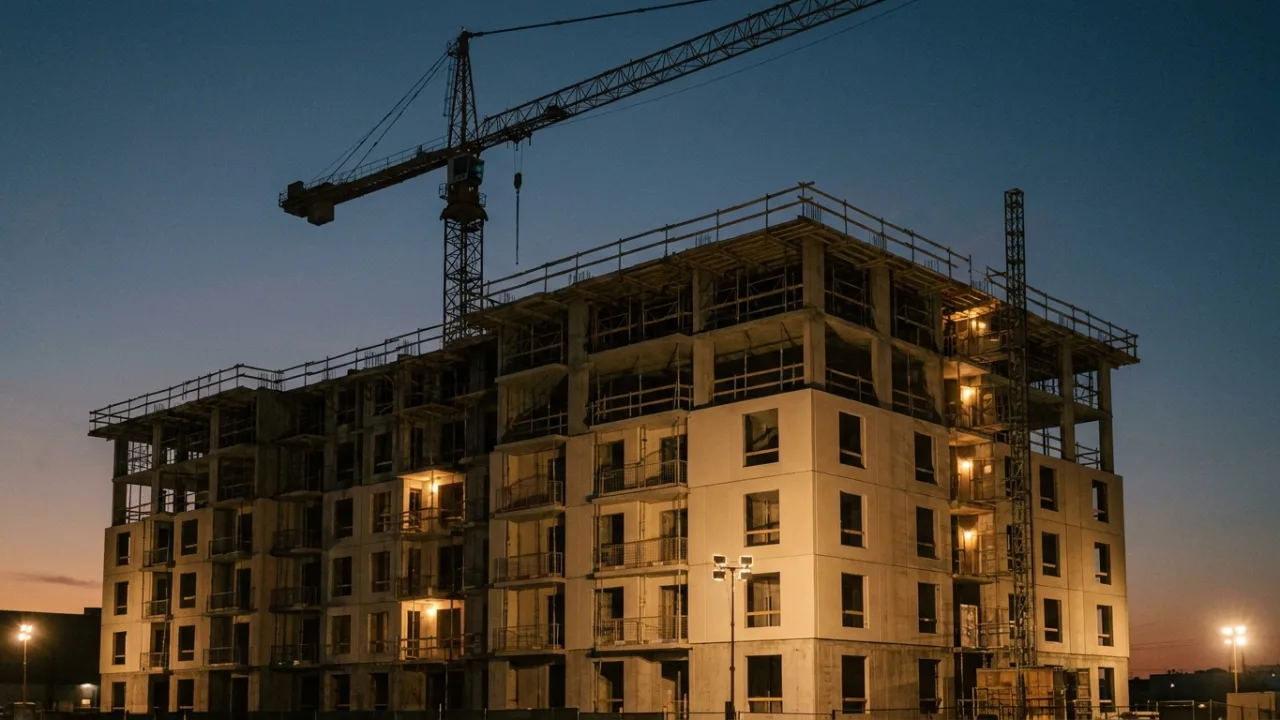
New housing construction costs rose 5.8% year-on-year in March 2026 — with labour up 8.2%. No profitability model survives outdated costs.
Source: INE — New Housing Construction Cost Index, March 2026
How to improve a project’s IRR
IRRreal profitability
1 · BUY WELLfeasibility verified before buying
2 · PERMIT FASTcomplete application at first submission
3 · BUILD WITHOUT SURPRISESdetailed execution, accurate quantities
4 · SELL TO THE RIGHT SEGMENTproduct for real demand
1 · BUY WELLfeasibility verified before buying
2 · PERMIT FASTcomplete application at first submission
3 · BUILD WITHOUT SURPRISESdetailed execution, accurate quantities
4 · SELL TO THE RIGHT SEGMENTproduct for real demand
Four levers, one number: in all of them, design quality is the common variable.
There are four main levers to improve the real return of a development: buying well (with verified feasibility), permitting fast (a complete application at first submission), building without surprises (a detailed execution design and accurate quantities) and selling to the right segment (product designed for the area’s real demand). In all of them, the quality of the architectural design is decisive.
- Feasibility study before the asset purchase
- Preliminary sizing and compared programme scenarios
- Permitting with a complete application at first submission
- Detailed design in BIM with accurate quantities
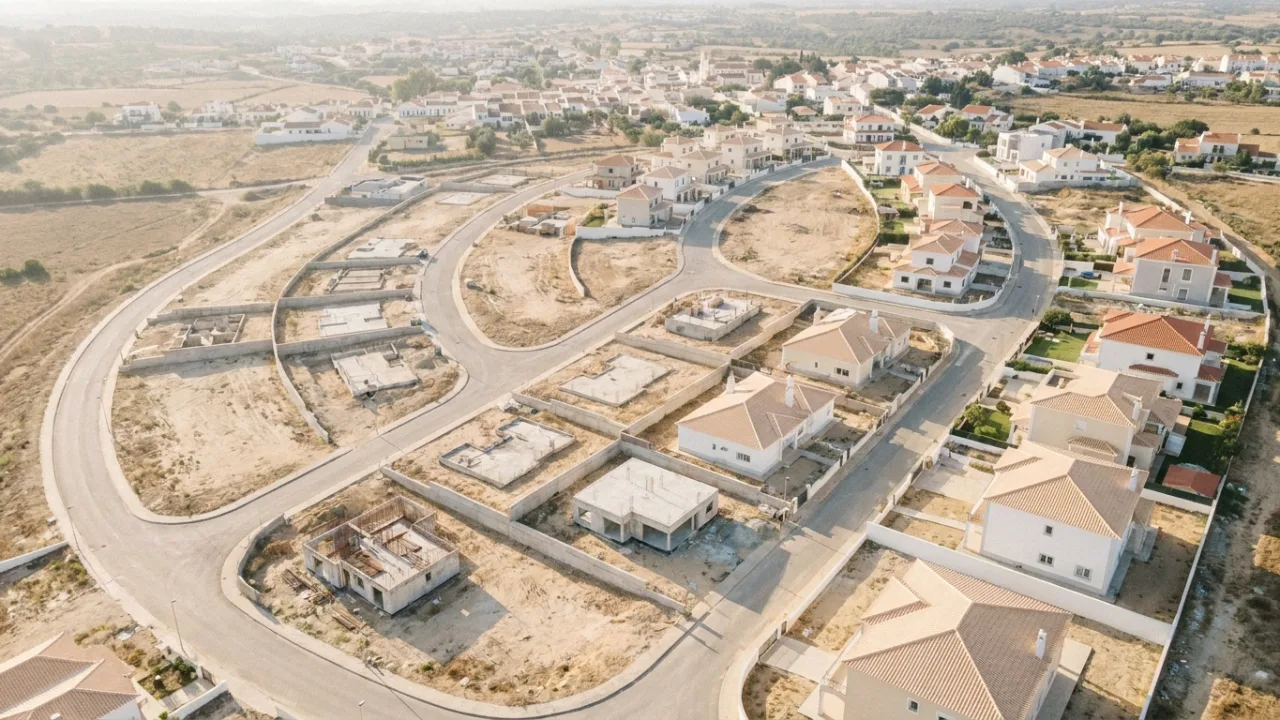
The profitability of a real estate development is defined by technical decisions long before the sales phase. A rigorous feasibility study, a well-prepared application and a detailed execution design sustain the relationship between the capital invested and the expected return — a journey we follow at the studio, from the first calculation to the final deed.
Start with the real costs — how much building costs in 2026 — and validate the asset with LANDSCOPE before the promissory contract (CPCV).
Frequently asked questions
What IRR is acceptable on a residential project?
It depends on the risk, the weight of financing and the cycle — there is no universal number. What there is, is a principle: an IRR calculated with verified costs and timelines is worth more than any optimistic IRR.
IRR or ROI: which should I use?
Both. ROI gives the simple snapshot of the return; the IRR weighs time — and in real estate development, time is the variable that permitting and construction move the most.
When is the first IRR calculated?
Before the asset purchase: it is the feasibility study that turns the asking price into a justified price — or a pass.
Want to validate the profitability of a specific project?
We cross-check building capacity, current costs and sales scenarios — and return numbers that ground the decision.
-
No tags found