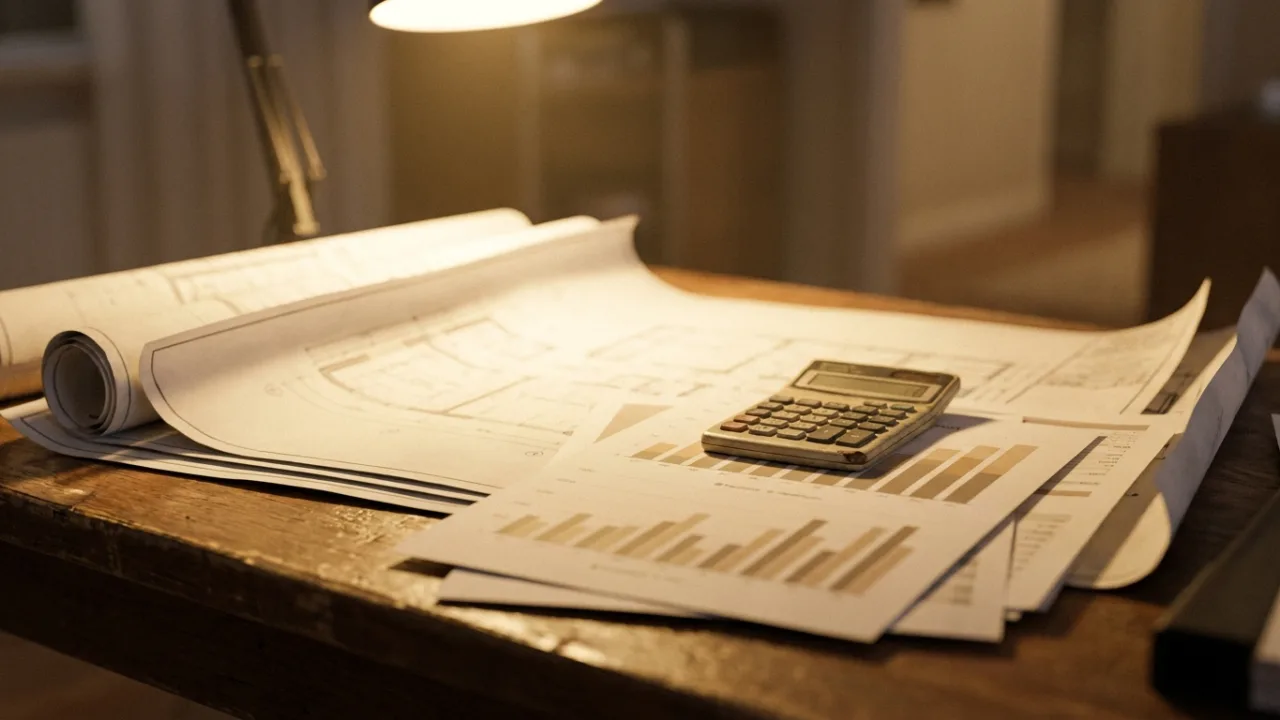
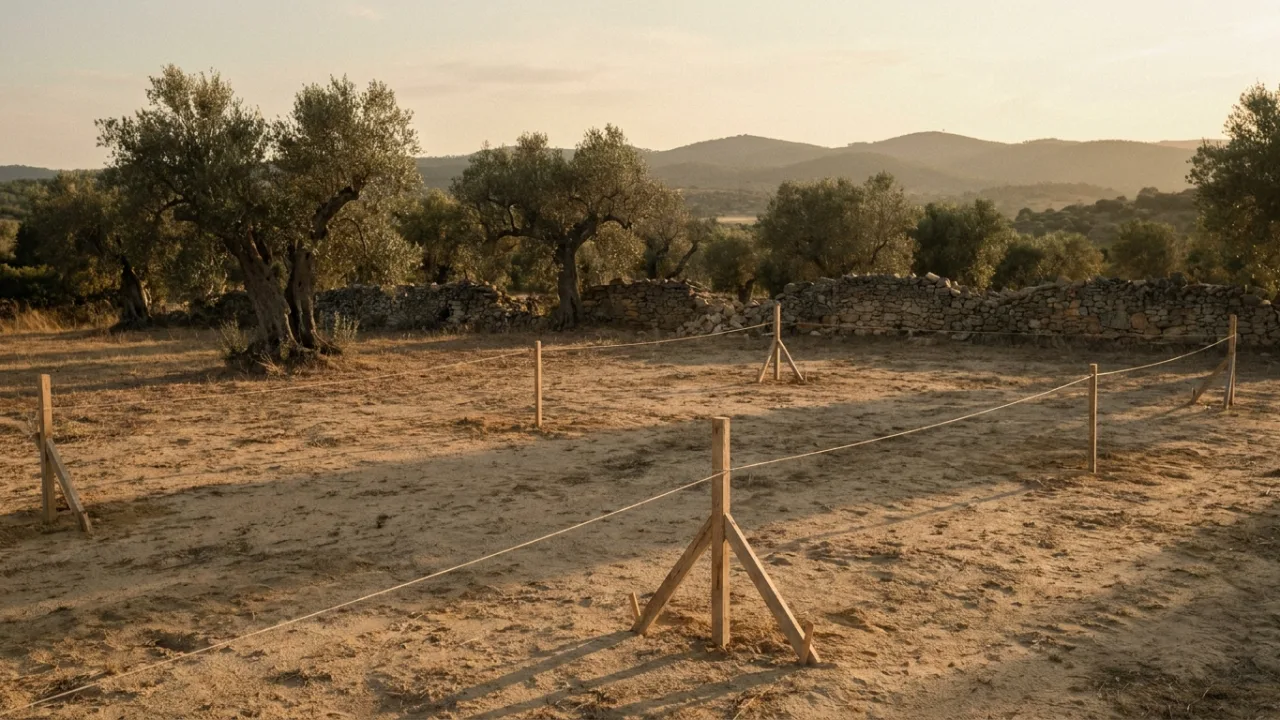
Housing developments in 2026: feasibility and framework
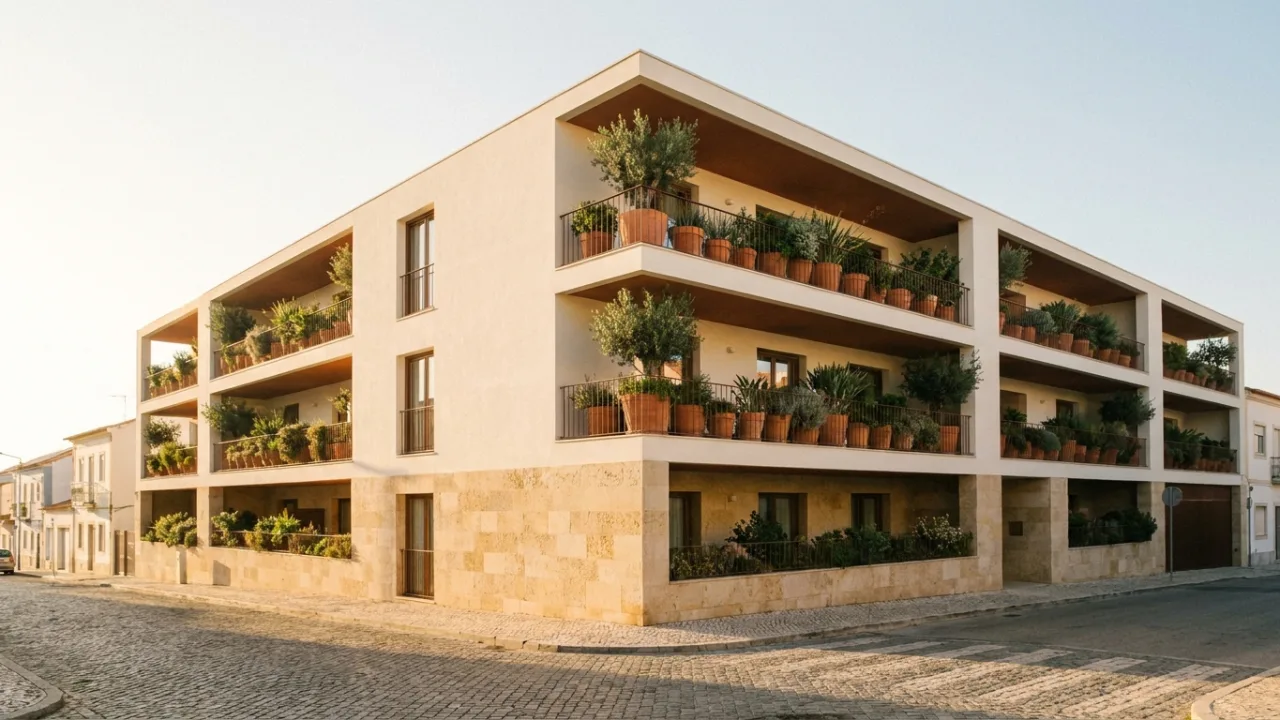
Housing developments: the 2026 framework
The Portuguese market today combines high housing demand with a simplified legal framework and investors looking for assets with scale. The Simplex Urbanístico reform drastically reduced the administrative complexity of permitting, speeding up projects that previously took 18 to 24 months in approval. Creating housing developments in this framework requires method: fit within the PDM, the right product model and a technical team that masters the process from start to finish.
Not all developments are equal. The best-performing segments combine energy efficiency and environmental certification, unit types adjusted to real demand (one and two-bedroom units with parking), common areas that generate value — and, increasingly, co-living models and rehabilitation with tax incentives, where the conversion of consolidated buildings into modern units benefits from IMT reduction and preferential financing conditions.
“At the studio we use BIM methodology to guarantee that the design submitted to the municipality is rigorous, complete and optimised — that is where approval time and investment security are won.”
Tiago R. Correia
Architect
Before moving to permitting, it is essential to verify conformity with the RJUE and with the territorial planning instruments: plot definition, setbacks, land-use coefficients and population density remain the decisive criteria for municipal approval. Owning a plot of land is not enough — you must understand the specific legal framework of each location and run the comparative analysis of the area’s competition: price per square metre, available unit types and occupancy rate.
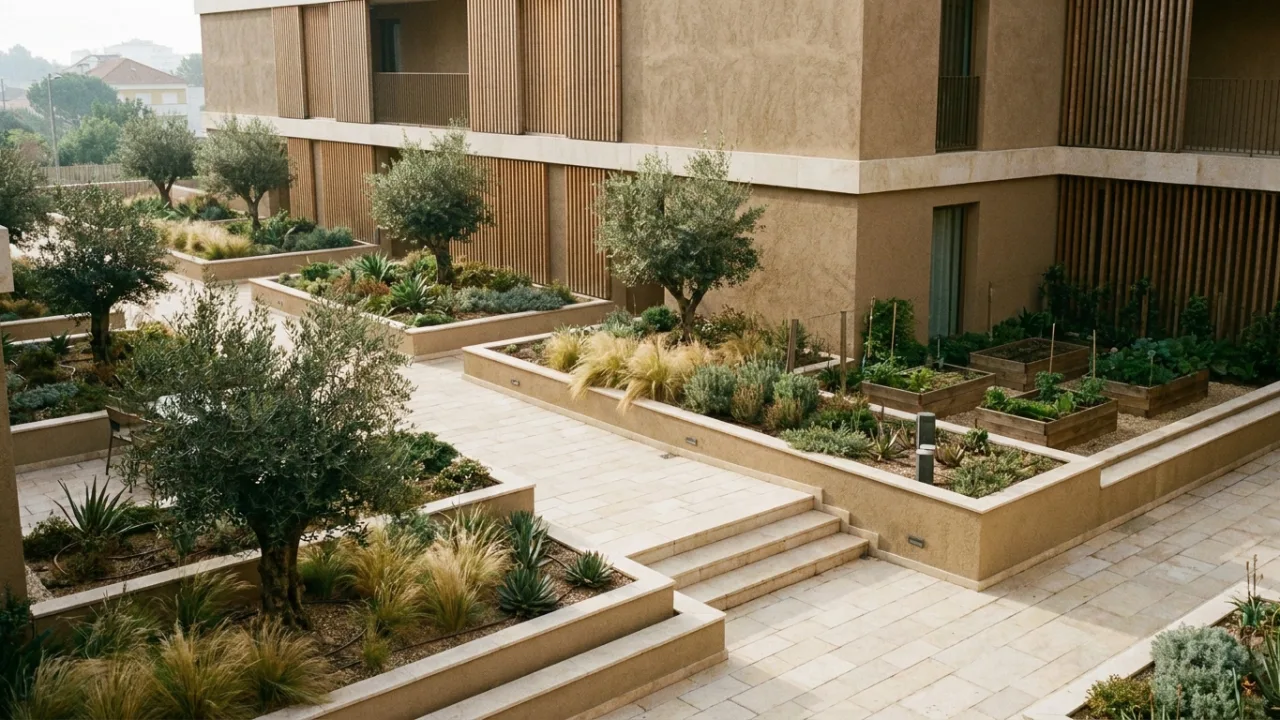
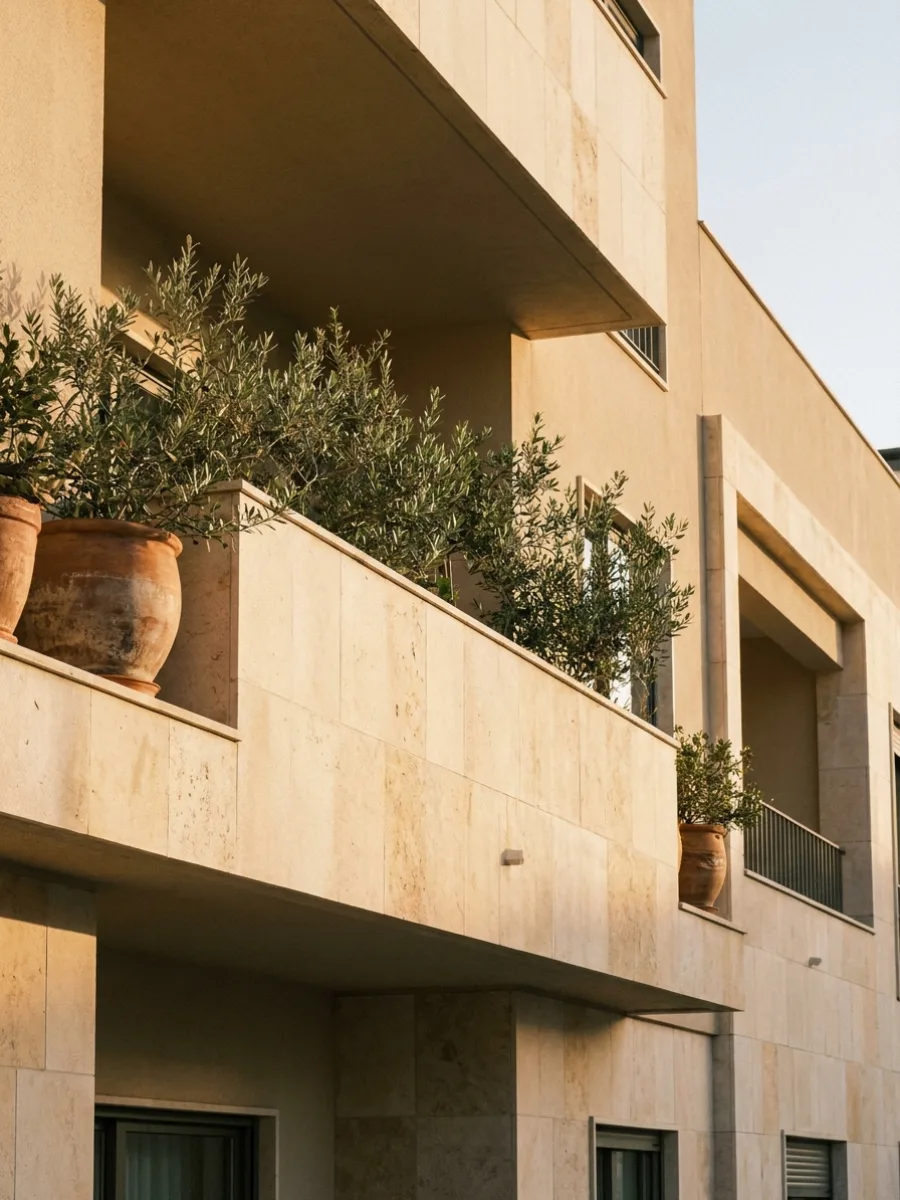
With DL 108/2026, prior notification loses the preliminary-check phase and decision deadlines shorten — 30 days for the assessment of the architecture, 45 for subdivisions.
Source: Decreto-Lei n.º 108/2026, of 29 May — Diário da República
LOCAL DEMANDunit types the area absorbs
PDM INDICESthe possible building envelope
COST AND TIMEreal construction and permitting
PDM INDICESthe possible building envelope
COST AND TIMEreal construction and permitting
THE RIGHT PRODUCTdesigned, not guessed
SALESdevelopment value
Three inputs, one output: the product that crosses demand, indices and costs is what sustains the sales value.
The project’s critical phases
Creating a successful development follows a strict chronology, in which each phase has legal and operational milestones that must be respected to avoid cascading delays. Practice shows that projects with a 15 to 20% safety margin in their schedules complete on time — which implies contractors experienced in multi-unit housing, robust technical supervision and early planning of foreseeable disturbances.
- Feasibility study and fit within the PDM
- Planning application design and coordination of engineering disciplines
- Municipal approval and planning title
- Execution, supervision and sales
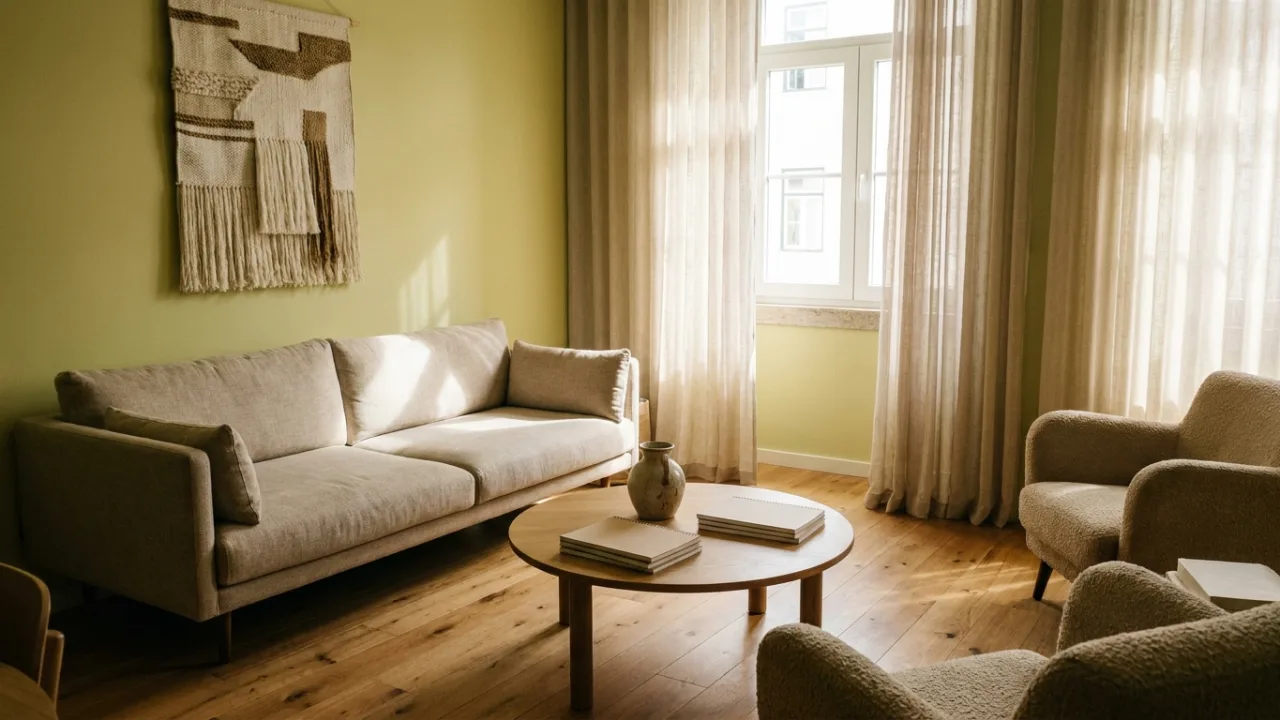
With faster permitting, the differentiating factor moved to the quality of the application. With BIM, the design is delivered with integrated technical documentation — plans, sections, elevations, 3D models and accurate quantities — which reduces administrative returns and gives the investor a solid basis to decide. It is this rigour that sustains the viability of the investment.
The project’s numbers are run with IRR and ROI; the plot is validated with LANDSCOPE — and the process runs under the new permitting framework.
Frequently asked questions
What minimum size makes sense for a development?
There is no magic number: there is a balance between land cost, the permitted index and the product that local demand absorbs. The feasibility study tells you — before the purchase.
How long until sales?
In a well-prepared process, the full cycle — feasibility, design, permitting and construction — typically runs in 3 to 4 years; permitting is no longer the bottleneck it once was.
New construction or rehabilitation?
It depends on the asset: rehabilitation in an ARU keeps relevant tax advantages and the new legal framework protects the existing stock; new construction gives product freedom. LANDSCOPE compares the two scenarios for the same asset.
Do you own a plot or building with development potential?
We validate the feasibility, design the right product for the area’s demand and manage the permitting through to construction.
-
No tags found