
Building permitting in Portugal: the complete 2026 guide
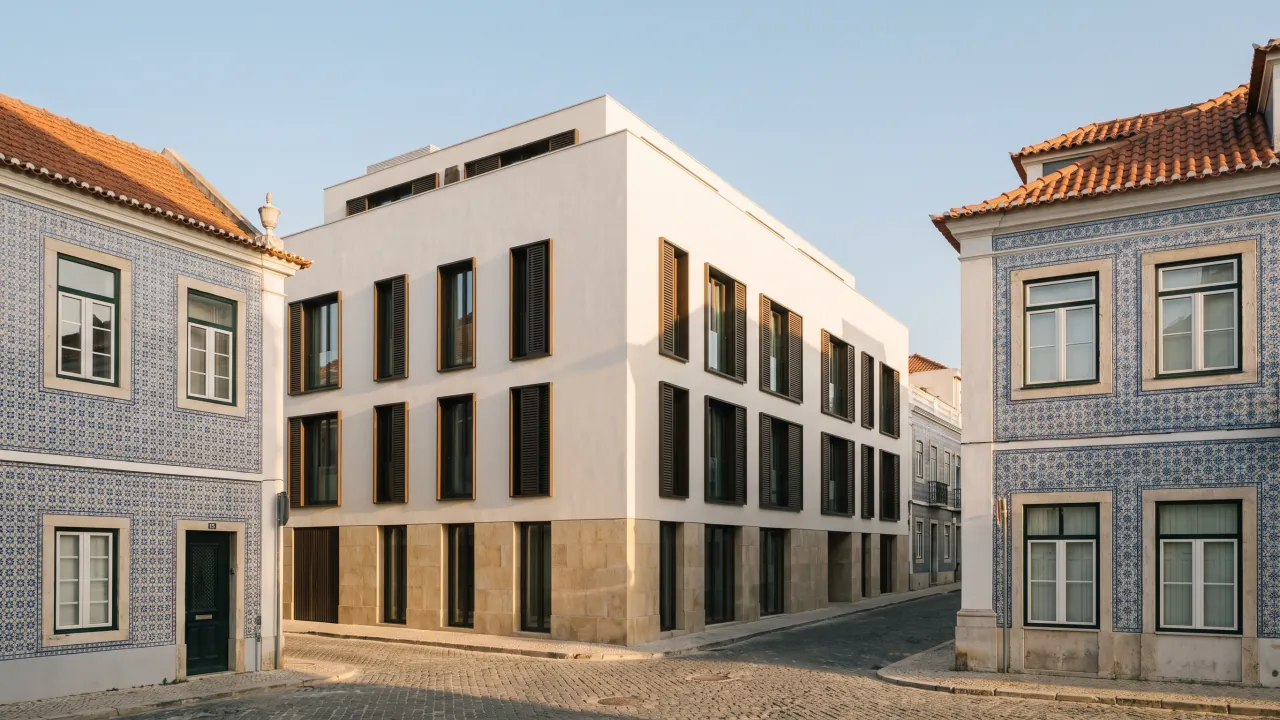
Building, extending or rehabilitating in Portugal always goes through one of four routes: planning permission, prior notification, prior information request or exemption. This guide explains how each works in 2026 — including what changes on 3 August with Decree-Law n.º 108/2026 — and what to consider so that permitting does not dictate the project’s calendar.
Executive summary
- Four routes of prior control — permission, prior notification, PIP and exemption. The right route depends on what your area already has defined in a plan.
- DL 10/2024 (Simplex) — the municipality’s silence now counts as tacit approval, after 120, 150 or 200 days depending on complexity.
- DL 108/2026, in force on 3 August — prior notification without a preliminary check, shortened decision deadlines and nullity reduced to 3 years.
- RGEU revoked on 1 June 2026 — technical rules are now defined by the professional bodies, until the Construction Code arrives.
- The risk shifted to the technical team’s side — with less prior control, design rigour is the client’s main safeguard.
1. The legal framework: three decrees you must know
The regime still rests on the RJUE — the Legal Regime for Urbanisation and Building, approved by Decreto-Lei n.º 555/99 and successively amended. It defines the planning operations and the routes of prior control.
On that base, Decreto-Lei n.º 10/2024 (the «Simplex Urbanístico») simplified procedures, generalised tacit approval and marked the end of the RGEU. And in May 2026, Decreto-Lei n.º 108/2026 was published, revising planning permitting with effect from 3 August 2026 — applicable to new applications and to pending ones still at the preliminary-check stage.
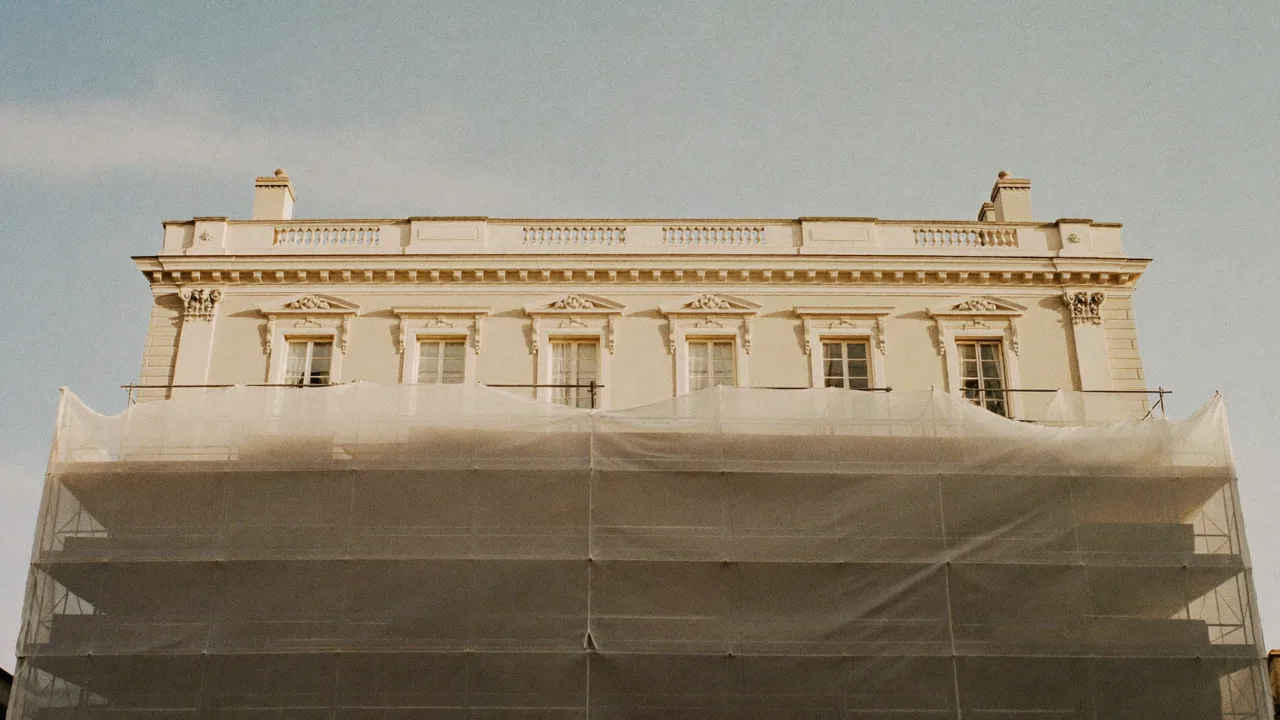
2. The four routes of prior control
YOUR WORKS
planning operation
PRIOR NOTIFICATION
parameters defined in a plan · no waiting
PLANNING PERMISSION
heritage · no defined parameters
EXEMPTION
minor relevance · interior alterations
PIP — before deciding
fixes the case’s rules for 2 years
The four routes at a glance — the right-hand column is decided by what your area already has defined in a plan.
| Route | When it applies | What to expect |
|---|---|---|
| Planning permission | Operations with more room for appraisal: new construction outside areas with defined parameters, listed buildings or buildings undergoing classification, subdivisions without a plan | Express decision by the municipality; failing that, tacit approval after 120 to 200 days (DL 10/2024) |
| Prior notification | Works conforming to the plans in force (PDM, detailed plan, subdivision), with no relevant structural change | Today: tacit admission in 20 days. From 3 August: starts with fees paid, no preliminary-check phase |
| PIP | Feasibility enquiry before buying or designing | When fully favourable, it binds the municipality for 2 years |
| Use permit | End of works and changes of use | A condition for using — and for selling well — the building |
Source: RJUE (DL n.º 555/99, current wording) and DL n.º 10/2024.
3. What is exempt — and what the exemption does not mean
Works of minor planning relevance require neither permission nor prior notification: small buildings up to 10 m² and 2.20 m high that do not abut the public road, boundary walls up to 1.80 m, retaining walls up to 2 m, greenhouses and solar panels within certain parameters.
Interior alterations to a building are also, as a rule, exempt — provided they do not touch the structure, the façades or the building height. Mind the exceptions: in listed buildings, buildings undergoing classification or protection zones, these exemptions do not apply.
An important warning: exempt from procedure is not exempt from rules. The PDM, the municipal regulations and the technical standards still apply — and so does successive inspection.
4. What changes on 3 August 2026
DL 108/2026 takes the Simplex logic further. Prior notification loses the preliminary-check phase: once the notification is submitted, the fees paid and the start date notified, the works can begin. In return, the municipality has one year for the successive control of conformity.
From 3 August, a prior notification with fees paid allows the works to start immediately — and the municipal conformity control lapses one year later.
Source: Decreto-Lei n.º 108/2026, of 29 May — Diário da República
Decision deadlines also shorten:
| Procedure phase | Deadline (DL 108/2026) |
|---|---|
| Preliminary check and screening | 20 days (10 for corrections to the application) |
| Assessment of the architectural design | 30 days, extendable by another 30 |
| Final deliberation — building and demolition | 20 days |
| Subdivision | 45 days |
| Urbanisation works | 30 days |
Source: Antas da Cunha Ecija — alert on the amendment to the RJUE (DL 108/2026).
Two further changes with real weight: the period for the administrative declaration of nullity of permits and prior information decisions drops to 3 years, and the planning title returns in a standardised format — with deeds now stating whether the property holds one.
We have prepared dedicated analyses for both audiences: the impact of the new RJUE on real estate development and what the new rules mean for those building or refurbishing.
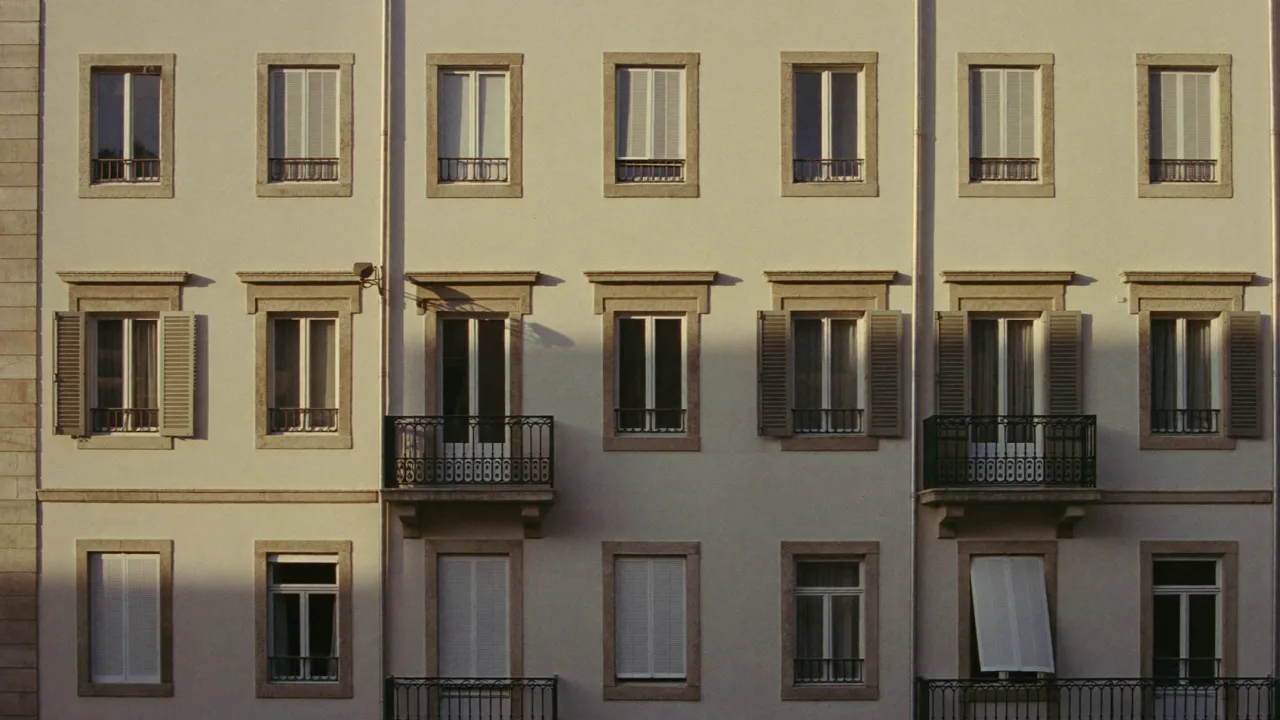
75 years of the RGEU shaped the image of Portuguese cities.
5. RGEU: the end of a 75-year era
Since 1 June 2026, the General Regulation for Urban Buildings — in force since 1951 — is revoked, by effect of DL 10/2024. Until the future Construction Code enters into force, the technical rules for preparing designs are defined by the professional bodies. We explain the practical consequences in the article on the end of the RGEU and the new technical rules.
“Permitting is not an obstacle: it is the design of risk. Whoever masters the procedure chooses the timing of the works — whoever ignores it is chosen by it.”
Tiago R. Correia
Architect
6. In practice: how to keep the process from stalling the project
Studio experience shows that processes that go well share four habits: a complete application at first submission (correction requests cost months), a strategic PIP before buying, a team that coordinates architecture and engineering from the start, and active tracking of deadlines — because tacit approval only protects those who can prove it.
Buying a plot or a building? LANDSCOPE tells you, from 48 hours, what can rise there — before you sign anything.
How long does it take, in practice?
The legal deadlines are ceilings, not promises — and experience shows the decisive variable sits on the applicant’s side. An application with complete documentation, coherent drawings across disciplines and a well-grounded planning framework crosses the preliminary check without correction requests; each of those requests costs, in practice, weeks to months.
Two further factors are worth budgeting from the start: consultations with external entities (heritage, REN, roads, aeronautics), which run on their own timelines, and municipal charges — including the municipal urbanisation charge (TMU), which varies substantially between municipalities. None of these items surprises those who do their homework; all of them are expensive surprises for those who do not.
Frequently asked questions
Do I always need an architect?
Yes — architectural designs must be prepared and signed by architects, under Law n.º 31/2009. And with the reduction of prior control, the designer’s statement of responsibility has become the central piece of the process.
Can I start the works right after submitting the application?
Under prior notification, today the admission is deemed tacit after 20 days; from 3 August 2026, the works can start with the fees paid and the start date notified. Under a permit, no: you must await approval, express or tacit.
And if the municipality does not respond?
Silence now has consequences: in permit procedures, tacit approval forms after 120, 150 or 200 days, depending on the operation’s complexity (DL 10/2024). With DL 108/2026, the proof of submission becomes part of the title itself.
Planning permission or prior notification — which applies to my case?
It depends mainly on whether your area has planning parameters defined in a plan. We made a dedicated comparison of the two routes.
Is a PIP worth it before buying?
Almost always. A fully favourable PIP binds the municipality for 2 years and turns a purchase promise into an informed deal. For a quicker screening, LANDSCOPE does that reading before any commitment.
Do you have a project to permit?
We handle the planning framework, the design and the complete preparation of the application — with the technical responsibility on the right side of the table. Talk to us before submitting.
-
No tags found