Three trends in the housing market (2026)
The Portuguese housing market entered 2026 with prices accelerating and new supply failing to keep up with demand. Three underlying trends now organise where and how one invests — and all of them have data behind them.
In 2025, housing prices rose 17.6% — the sharpest acceleration of the decade — with existing homes (+18.9%) appreciating more than new ones (+14.2%) and 169 thousand transactions totalling 41.2 billion euros.
01
THE EXISTING STOCK APPRECIATES MORE THAN THE NEW
scarcity of new supply → the opportunity shifts to conversion and rehabilitation
THE EXISTING STOCK APPRECIATES MORE THAN THE NEW
scarcity of new supply → the opportunity shifts to conversion and rehabilitation
02
THE STATE HAS ENTERED THE SUPPLY SIDE
6% VAT, CIA, the Land Law and faster permitting — unprecedented fiscal alignment
03
DEMAND IS MOVING
metropolitan rings and mid-sized cities; energy efficiency with a visible premium
Three underlying movements — all backed by data.
1. Scarcity raises the value of the existing product
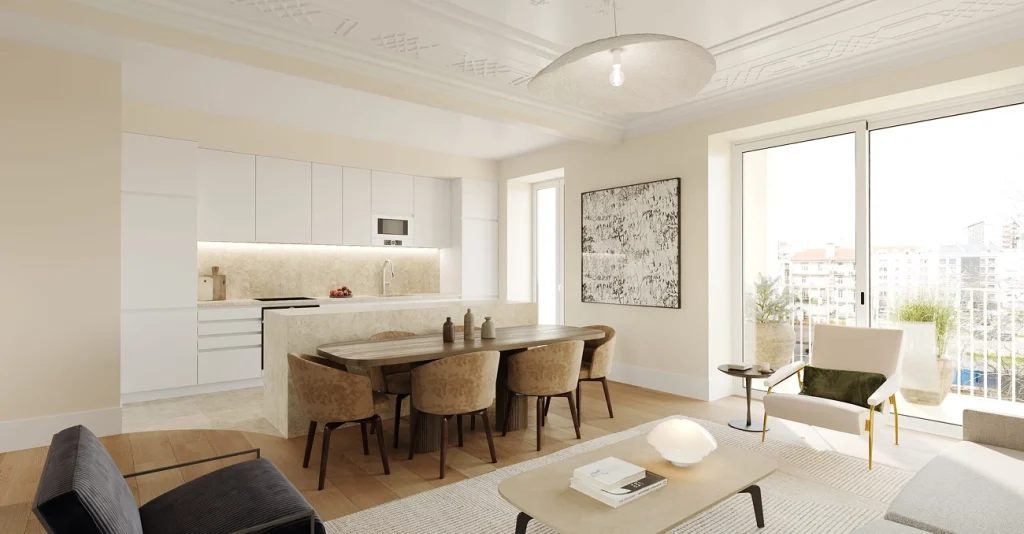
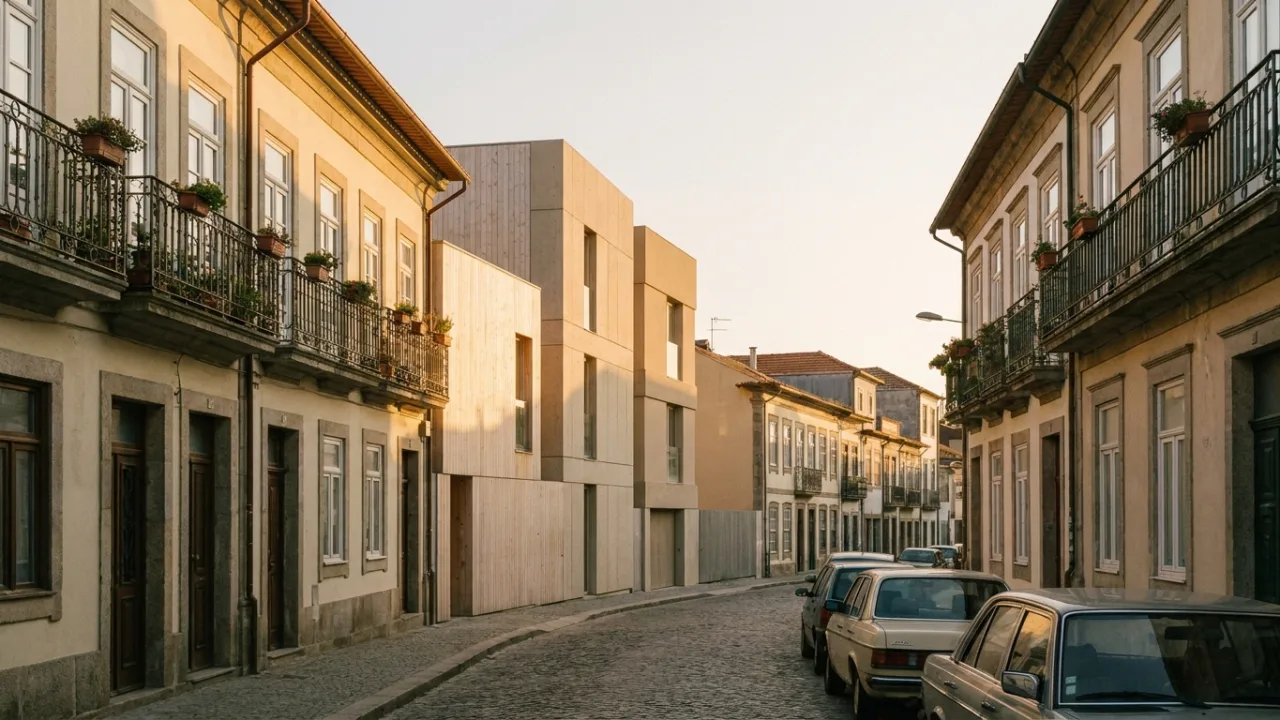
When used homes appreciate more than new ones, the market is signalling that there is not enough new supply where demand concentrates. For investors, this shifts the focus to conversion and rehabilitation — recovering obsolete, well-located building stock and returning it to the market as a current product. The ARUs keep their tax advantages and the legal framework increasingly protects the existing stock.
2. The State has entered the supply side
2026 brought an unprecedented package of instruments to create supply: 6% VAT on construction at moderate prices, the new Investment Contracts for Rental (CIA), the Land Law for reclassification for housing purposes and faster permitting. Whoever designs product for these regimes — moderate-value housing, rental — now has a fiscal and administrative alignment that did not exist two years ago.
3. Demand is moving — and the product must follow it
With the main centres at record levels, demand slides towards metropolitan rings and well-connected mid-sized cities — and towards typologies the current stock does not offer: real energy efficiency, work-from-home spaces, outdoor areas. The price premium of energy-efficient homes is increasingly visible in bank appraisals and in sales velocity.
“In a market rising 17% a year, the risk is not paying too much — it is buying the wrong product. Trends tell you where to look; feasibility tells you whether it is true on that particular plot.”
Tiago R. Correia
Architect
To go from trend to project, the starting point is the feasibility analysis of the specific asset.
Frequently asked questions
Will prices keep rising?
We do not do futurology: we work with scenarios. What the data shows is a structural scarcity of new supply — and the 2026 instruments trying to correct it on the construction side.
Where is the best opportunity in 2026?
At the intersection of the three trends: rehabilitating well-located stock, within the new tax regimes, with product designed for the area’s real demand.
Does this apply to someone building their own home?
Yes — especially the 6% VAT and the faster permitting. See how much building costs in 2026.
Apply these trends to a specific asset
We analyse your plot or building in the light of the 2026 framework — taxation, permitting and product — and return a reasoned reading.
-
No tags found