
Why investment funds work with architects
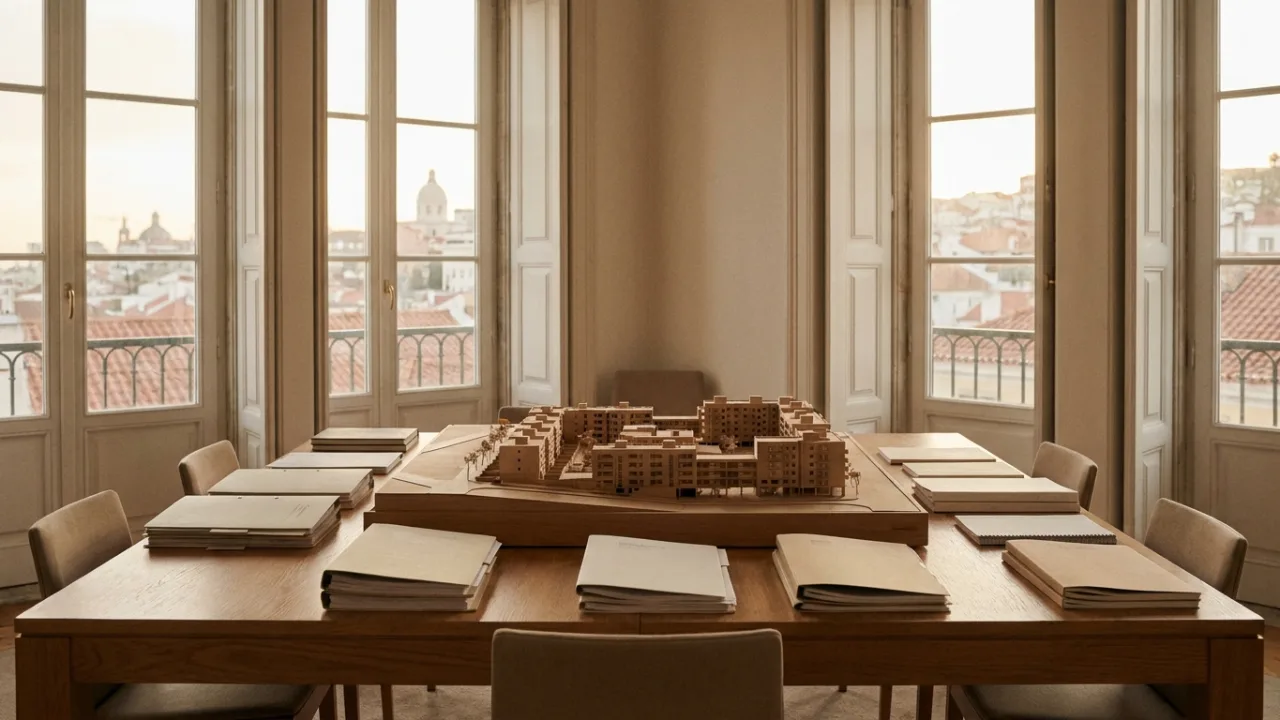
For an investment fund or a family office, the right architect is not a supplier of drawings — they are the asset’s first risk analyst and the last person responsible for its compliance. In a legal framework that has shifted control from the State to the technical teams, that distinction now carries extra weight in asset appraisal.
1. Before the purchase: feasibility that grounds the price
The real building capacity, the constraints and the likely costs define an asset’s value better than any comparable. A prior technical analysis — such as LANDSCOPE — turns the due diligence of a property into a quantified exercise, underpinning acquisition decisions with verified information.
2. During the cycle: speed with compliance
With the new RJUE, construction starts earlier — and technical error costs later. Rigorous coordination between architecture and the engineering disciplines, complete applications and management of tacit-approval deadlines now have direct financial impact: every month of permitting shows in the development’s return.
3. In the product: design the market pays for
The right unit mix for the area’s demand, floor areas that make the most of the index, energy efficiency that raises the exit value — design is the single variable with most influence on the development’s total sales value. And in rehabilitation, respect for the existing building has practical value too: it eases permitting in historic areas and differentiates the product in the market.
4. A public case: Bombarda 54
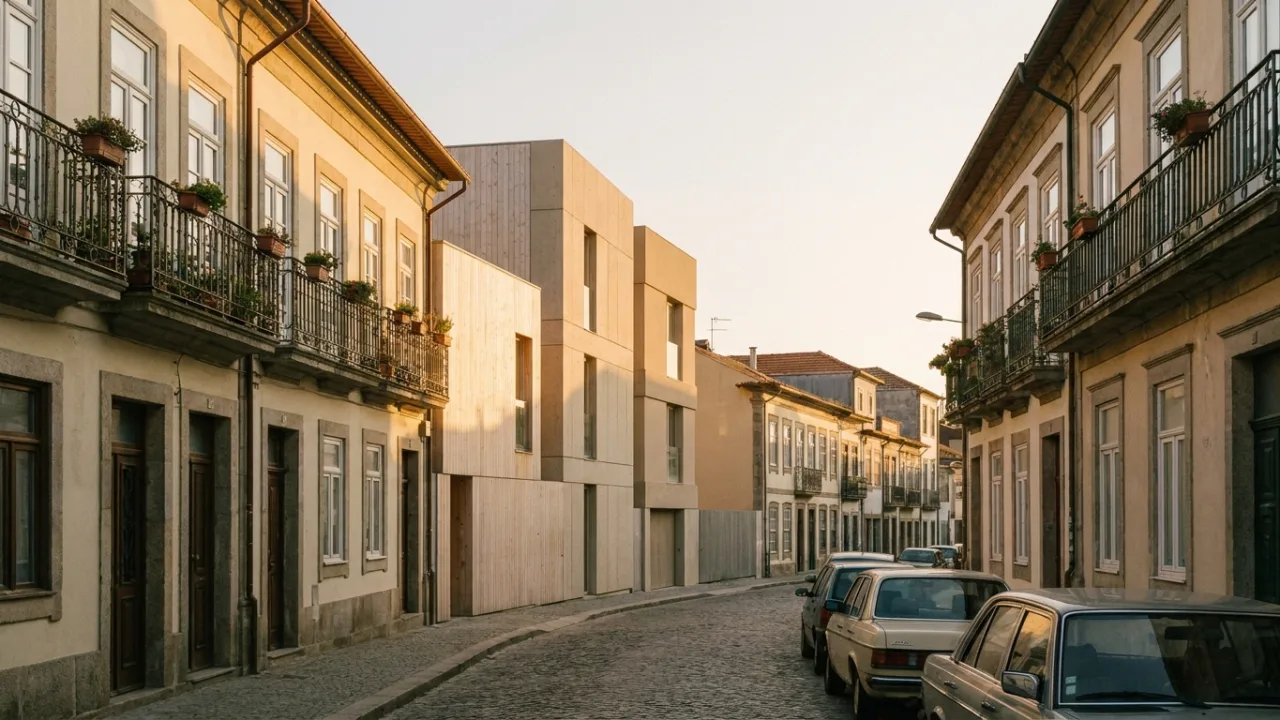
In the rehabilitation of Rua da Bombarda 54, in Lisbon — developed by Heed Capital with architecture by our studio — the one-bedroom apartments reached the market from €650,000 and the two-bedroom units up to €990,000.
The historic building was rehabilitated preserving façades and original elements, with the interior redesigned to today’s comfort standards — the balance Lisbon’s premium segment looks for and pays for. The press coverage is gathered on our press page.
“A fund does not buy drawings — it buys technical certainty with a return. Our job is to make the two the same thing.”
Tiago R. Correia
Architect
Frequently asked questions
At what stage should the studio be involved?
At asset screening, before the offer: that is where technical analysis has the greatest impact on price and risk.
What scales do you work at?
From single buildings in rehabilitation to multi-unit developments and tourism projects — always on the same principle: feasibility first, product designed for real demand.
How is the collaboration with a fund structured?
Typically in two layers: recurring feasibility analyses for the pipeline of potential acquisitions, and the full design and permitting cycle for the assets acquired.
Managing a portfolio of assets in Portugal?
Book a portfolio meeting: we will show how recurring technical analysis changes the price you buy at — and the product you deliver.
-
No tags found

26 de March de 2026